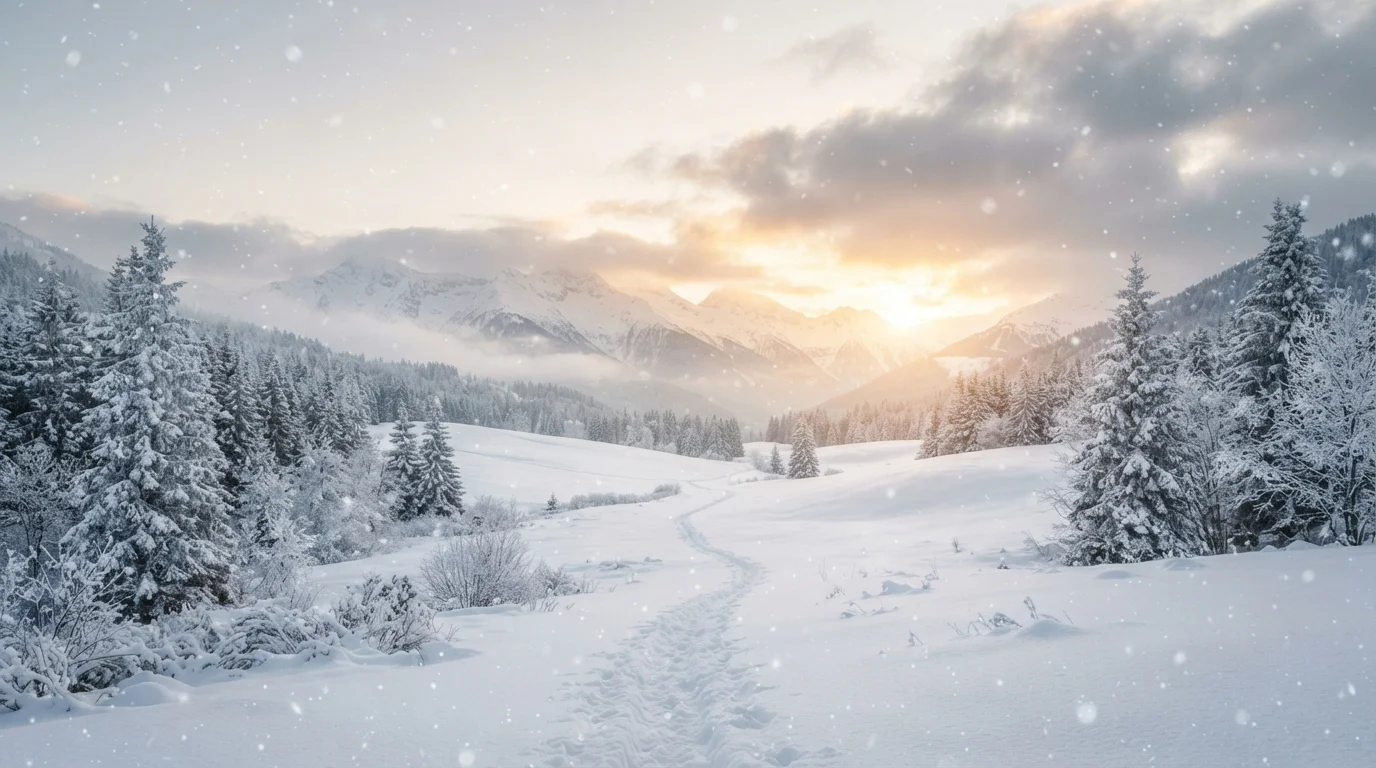
Snow has a unique way of transforming the world. It covers familiar landscapes in white, softens harsh surroundings, and creates a sense of stillness. Because of this, snow symbolism is often connected with purity, peace, transformation, silence, renewal, and emotional reflection.
Across cultures, religions, literature, dreams, and modern life, snow can carry both positive and complicated meanings. It may represent a fresh beginning or emotional distance, innocence or isolation, beauty or hardship.
Understanding snow symbolism depends greatly on the setting and the emotions associated with it.
Snow Symbolism Meaning (Clear Definition)
Snow symbolism refers to the meanings and ideas associated with snow, commonly including purity, renewal, peace, transformation, silence, isolation, and emotional cleansing.
Snow often symbolizes a clean slate because it temporarily covers the old landscape with a fresh layer of white. In this sense, it can represent leaving the past behind and beginning again.
At the same time, snow can symbolize coldness, loneliness, emotional withdrawal, or difficult circumstances. Its meaning is therefore not always positive.
Some of the most common snow symbolism meanings include:
| Snow Symbolism | Common Meaning |
|---|---|
| White snow | Purity, innocence, clarity |
| Fresh snowfall | New beginnings and renewal |
| Melting snow | Transformation and emotional release |
| Snowstorm | Confusion, challenges, or emotional turmoil |
| Deep snow | Isolation, obstacles, or hidden emotions |
| Snow covered landscape | Stillness, reflection, or mystery |
| Snow and sunlight | Hope, clarity, and beauty |
The surrounding circumstances often determine which interpretation fits best.
What Does Snow Symbolism Represent?
Snow can represent several powerful ideas at once. Its appearance, behavior, and temporary nature make it a particularly rich symbol.
Purity and Innocence
Because snow is traditionally white and visually clean, it is often associated with purity and innocence. Fresh snow can suggest an untouched beginning or a mind free from past burdens.
New Beginnings
A snowfall can completely change the appearance of a landscape. This makes snow a natural symbol of renewal, fresh starts, and opportunities to begin again.
Peace and Stillness
Snow can make the world feel quieter. A snow-covered landscape often creates an atmosphere of calm, solitude, and peaceful reflection.
Transformation
Snow changes water from a flowing liquid into frozen crystals and eventually melts back into water. This cycle can symbolize change, growth, transition, and the temporary nature of life.
Isolation
Although snow can feel peaceful, heavy snowfall can separate people from one another. Roads become difficult to travel, communities can become isolated, and ordinary routines may stop.
For this reason, snow can also represent loneliness or emotional distance.
Hidden Emotions
Snow covers the ground beneath it. Symbolically, this can represent emotions, memories, or experiences that have been temporarily hidden rather than permanently erased.
Spiritual Meaning of Snow Symbolism
The spiritual meaning of snow is often associated with purification, inner peace, renewal, and spiritual transformation.
Fresh snow can represent a cleansing of the past. Just as snow covers an old landscape, it may symbolically suggest that a person is being given an opportunity to release old habits, regrets, or emotional burdens.
Snow can also encourage stillness.
In a world filled with constant activity, a quiet winter landscape can symbolize the importance of slowing down and looking inward. Spiritually, snow may therefore represent meditation, reflection, patience, and inner awareness.
Snow as a Symbol of Spiritual Cleansing
Snow’s whiteness is frequently associated with spiritual purity. Seeing snow symbolically may suggest a desire to clear negative thoughts and reconnect with one’s deeper values.
Snow as a Symbol of Transformation
Winter does not last forever. Snow eventually melts, streams begin flowing again, and new growth appears.
This natural cycle can symbolize hope during difficult periods. A frozen season may be temporary, reminding us that change can happen even when progress is not immediately visible.
Snow and Inner Stillness
Snowfall can create silence and solitude. Symbolically, this can represent a period when someone needs distance from distractions to understand their thoughts and emotions more clearly.
Biblical / Religious Meaning of Snow Symbolism
Snow has meaningful associations within biblical and religious imagery, particularly in connection with purity, cleansing, righteousness, and divine transformation.
In the Bible, whiteness comparable to snow is sometimes used as an image of being cleansed from wrongdoing. Snow’s bright appearance makes it a natural metaphor for spiritual purity and restoration.
The symbolism is especially powerful because snow can make something appear clean and untouched.
Religious interpretations of snow can therefore include:
- Purity — freedom from spiritual corruption.
- Cleansing — renewal and forgiveness.
- Righteousness — moral or spiritual clarity.
- Transformation — becoming spiritually renewed.
- Divine beauty — the majesty and power of creation.
- Humility — recognizing the limits of human control over nature.
However, religious symbolism can vary depending on the specific passage, tradition, and context. Snow should not automatically be interpreted as having one fixed religious meaning.
Snow Symbolism in History and Culture
Snow has influenced human imagination for centuries because it can be both beautiful and dangerous.
For people living in cold climates, snow has traditionally been associated with winter survival, scarcity, isolation, and the changing seasons. At the same time, it can symbolize celebration, beauty, community, and wonder.
In cultures familiar with long winters, snow can represent endurance. People learn to prepare for difficult conditions, conserve resources, and wait patiently for spring.
In other settings, snow may be relatively rare and therefore appear magical or extraordinary.
Cultural Meanings of Snow
Different cultural contexts may emphasize different aspects of snow:
- Winter survival: resilience and endurance.
- Fresh snowfall: beauty and renewal.
- Long winters: patience and perseverance.
- Snow-covered mountains: majesty and spiritual mystery.
- Snow festivals: celebration and creativity.
- Blizzards: danger, uncertainty, and uncontrollable forces.
Snow’s cultural meaning is therefore closely connected to people’s lived experiences with it.
Snow Symbolism in Literature and Art
Snow is a powerful artistic symbol because it can communicate atmosphere without requiring many words.
In literature, snow may establish a feeling of silence, loneliness, suspense, innocence, or emotional coldness. A character walking through falling snow may be experiencing an internal transformation that mirrors the changing landscape.
Snow can also create contrast.
A bright white landscape may appear peaceful while a story underneath it contains grief, conflict, or hidden tension. This contrast makes snow especially useful as a literary device.
Common Artistic Uses of Snow
Artists and writers may use snow to represent:
- Silence — a world temporarily separated from ordinary noise.
- Loneliness — distance from other people.
- Purity — innocence or moral cleanliness.
- Death and stillness — nature appearing dormant.
- Mystery — familiar places becoming unfamiliar.
- Renewal — the possibility of a fresh beginning.
- Emotional coldness — detachment or lack of affection.
Snow-covered landscapes can also evoke nostalgia. They may remind people of childhood winters, family traditions, holidays, or moments from the past.
Dream Meaning of Snow Symbolism
Dreams about snow can have many interpretations, and the meaning often depends more on the dreamer’s emotions than on snow itself.
In general, snow in dreams may symbolize emotional cleansing, a fresh start, isolation, suppressed feelings, or a period of change.
Dreaming of Fresh Snow
Fresh, clean snow may represent a new beginning. It can suggest that you are ready to leave something behind and approach life with a clearer perspective.
Dreaming of Heavy Snow
Heavy snow may represent feeling overwhelmed by circumstances. It can symbolize emotional pressure, obstacles, or situations that seem difficult to navigate.
Dreaming of Melting Snow
Melting snow can symbolize emotional release and transformation. Something that once felt frozen, distant, or impossible to change may gradually begin moving forward.
Dreaming of Walking Through Snow
Walking through snow may represent perseverance. If the journey feels difficult, the dream could reflect challenges you are currently working through.
If the walk feels peaceful, it may instead represent personal reflection and emotional independence.
Dreaming of a Snowstorm
A snowstorm may symbolize confusion, uncertainty, or emotional turbulence. It can suggest that circumstances temporarily make it difficult to see the right direction.
Dream interpretation is subjective, so the feelings experienced during the dream are often the most important clue.
Modern Meaning of Snow Symbolism
Today, snow symbolism continues to appear in photography, fashion, design, films, social media, spirituality, and everyday expressions.
Modern interpretations often emphasize emotional and psychological themes.
A snowy landscape may represent peaceful solitude, while falling snow can create a sense of wonder and nostalgia. Snow is also frequently used to communicate minimalism because its white surface creates a clean, uncluttered visual environment.
In modern symbolism, snow commonly represents:
- A fresh start
- Peace and calm
- Emotional distance
- Personal reflection
- Beauty and simplicity
- Temporary hardship
- Transformation
- Nostalgia
- Hope after difficult periods
Snow can therefore express two opposite ideas at the same time: stillness and change.
Its surface appears frozen, but underneath that stillness, nature is waiting for another season.
Is Snow Symbolism Always Positive?
No. Snow can have both positive and negative symbolic meanings.
On one hand, it can represent purity, peace, renewal, and hope. On the other, it may symbolize loneliness, emotional coldness, isolation, hardship, or uncertainty.
The most accurate interpretation depends on the context.
For example, gentle snowfall on a sunny morning may suggest peace and renewal, while being trapped in a dangerous blizzard may symbolize fear or overwhelming circumstances.
Why Is Snow Associated With Purity?
Snow is commonly associated with purity because fresh snow appears white, clean, and untouched.
This visual quality has encouraged people to use snow as a metaphor for innocence, spiritual cleansing, moral clarity, and new beginnings.
However, snow does not remain untouched forever. It can become dirty, melt, or disappear. This temporary quality adds another layer to its symbolism: purity and beauty may be precious because they are not permanent.
What Does Melting Snow Symbolize?
Melting snow commonly represents transformation, release, and the end of a difficult period.
Something frozen is becoming fluid again. Symbolically, this can suggest that emotions are beginning to move, barriers are disappearing, or circumstances are changing.
Melting snow can also represent hope because it signals the transition from winter toward spring.
What Does Snow Symbolize Spiritually?
Spiritually, snow often symbolizes purification, renewal, stillness, patience, and transformation.
It may encourage someone to release the past, spend time in reflection, and recognize that difficult seasons are temporary. Its connection with winter also reminds us that growth can happen quietly before it becomes visible.
What Does Snow Symbolize in Dreams?
Snow in dreams can symbolize a fresh start, emotional distance, hidden feelings, isolation, or personal transformation.
The dreamer’s emotions and the condition of the snow are important. Peaceful snow may suggest calm and renewal, while a destructive snowstorm may represent stress or uncertainty.
Conclusion
Snow symbolism carries a beautiful mixture of meanings. It can represent purity, peace, silence, isolation, transformation, emotional cleansing, and new beginnings.
Perhaps its most meaningful lesson is that stillness does not mean nothing is happening. Snow may cover the ground for a season, but beneath it, life continues.
In the same way, quiet or difficult periods in life can prepare the way for renewal. Sometimes, the most important transformations begin beneath the surface.

I’m Beau Warren, a passionate writer exploring the meanings behind symbols, dreams, colors, animals, and traditions. I enjoy creating well-researched, engaging content that inspires curiosity and deeper understanding every day.