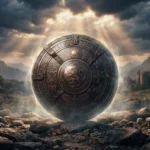
Storm symbolism often represents change, emotional intensity, conflict, transformation, and the powerful forces that can reshape life. A storm may feel destructive, but symbolically it can also suggest cleansing, renewal, inner strength, and the possibility of calm after difficulty.
Across spiritual traditions, literature, art, dreams, and everyday language, storms frequently mirror experiences that feel overwhelming or unpredictable. Their meaning depends greatly on the type of storm, what happens during it, and how the observer responds.
Storm Symbolism Meaning (Clear Definition)
Storm symbolism is the use of storms to represent powerful emotional, spiritual, or life-changing experiences such as conflict, uncertainty, transformation, cleansing, and renewal.
A storm is rarely just a symbol of destruction. Its deeper meaning often comes from the fact that storms disturb what was previously calm and force something to change.
Common symbolic meanings of storms include:
| Storm Symbolism | Possible Meaning |
|---|---|
| Dark clouds | Uncertainty, worry, or approaching change |
| Heavy rain | Emotional release, cleansing, renewal |
| Thunder | Power, warning, revelation, or authority |
| Lightning | Sudden insight, transformation, or awakening |
| Strong wind | Change, instability, or freedom |
| Destructive storm | Crisis, conflict, or major disruption |
| Storm passing | Recovery, hope, and a new beginning |
| Calm after a storm | Peace, healing, and resilience |
The same storm can therefore carry different meanings depending on the surrounding circumstances.
What Does Storm Symbolism Represent?
At its core, storm symbolism represents powerful forces that cannot always be controlled. It can reflect both external events and internal emotional struggles.
Here are several common interpretations:
- Change: A storm can symbolize a major transition or turning point.
- Emotional turmoil: Violent weather may mirror anger, grief, fear, or confusion.
- Conflict: Thunder and destruction can represent arguments, tension, or confrontation.
- Cleansing: Rain may symbolize emotional or spiritual purification.
- Transformation: A storm can destroy old structures while making room for something new.
- Strength: Surviving a storm can represent endurance and courage.
- Renewal: Once the storm passes, the return of sunlight can symbolize hope.
Storm symbolism is especially powerful because storms are temporary. They can be intense and frightening, yet they eventually move on.
Spiritual Meaning of Storm Symbolism
Spiritually, storms can represent periods of testing, growth, purification, and transformation.
A difficult season in life may feel like a storm because familiar circumstances become unstable. Yet symbolic traditions often interpret such periods as opportunities to develop patience, faith, courage, and self-awareness.
Storms as Spiritual Tests
A storm may symbolize a challenge that reveals what lies beneath the surface. Just as strong winds test the strength of trees, difficult experiences can reveal a person’s resilience.
Storms as Cleansing
Rain has long been associated with washing away what is old or unwanted. In spiritual symbolism, a storm may therefore represent the release of negative emotions, outdated beliefs, or unhealthy patterns.
Storms as Transformation
Lightning can symbolize a sudden realization. A person may experience an unexpected moment of clarity that changes how they understand themselves or their circumstances.
Storms and Inner Strength
The symbolism of surviving a storm can be particularly meaningful. It suggests that strength is not always about preventing hardship; sometimes it is about remaining grounded while hardship passes.
Biblical / Religious Meaning of Storm Symbolism
Storms have significant symbolic importance in biblical and religious traditions. They can represent divine power, human vulnerability, trials, judgment, protection, and faith.
In the Bible, storms and turbulent waters frequently appear in stories involving moments of fear or uncertainty. One well-known example is the account of Jesus calming a storm, where the event becomes associated with faith and trust amid danger.
Storm imagery can also emphasize the immense power of God compared with human limitations. In this sense, a storm may symbolize a situation beyond human control and the need for humility, faith, or spiritual trust.
Religious interpretations should not be reduced to a single meaning. Depending on the passage or tradition, storms may signify warning, testing, judgment, divine presence, or eventual deliverance.
Storm Symbolism in History and Culture
Storms have influenced human imagination for thousands of years because ancient communities depended heavily on weather for survival.
Thunder, lightning, wind, and floods could appear mysterious and uncontrollable. Many cultures consequently connected storms with supernatural or divine forces.
In mythology, storm deities often represent strength, authority, fertility, or protection. Thunder gods in different traditions demonstrate how societies interpreted dramatic weather as an expression of extraordinary power.
Rain could have an equally complex meaning. While violent rain might cause destruction, ordinary rainfall could bring crops, replenish water supplies, and sustain life.
This duality makes storm symbolism especially rich: the same natural force can destroy and nourish.
Storm Symbolism in Literature and Art
Writers and artists frequently use storms to represent emotional or dramatic turning points.
A storm appearing during an important scene can create an atmosphere of fear, uncertainty, tension, or revelation. The weather may reflect what a character is experiencing internally.
For example, a darkening sky can suggest approaching trouble, while lightning can symbolize a sudden realization. Rain may accompany grief, while a clearing sky can signal hope.
In literature, storm symbolism often serves several purposes:
- Foreshadowing: A storm can hint that something important is about to happen.
- Mood: Dark weather can create suspense or melancholy.
- Inner conflict: External turbulence can mirror a character’s emotions.
- Transformation: A storm can mark the end of one stage and the beginning of another.
- Release: Rain can represent emotional expression after tension has built.
Visual artists also use storms to contrast darkness with light. A single opening in storm clouds can become a powerful image of hope emerging from difficulty.
Dream Meaning of Storm Symbolism
Dreaming about a storm often relates to strong emotions, uncertainty, stress, conflict, or significant changes in waking life. However, dream interpretation is personal, so the emotions experienced during the dream matter as much as the storm itself.
Dreaming of a Violent Storm
A violent storm may symbolize overwhelming emotions or circumstances that feel beyond your control.
Dreaming of Watching a Storm
Watching a storm from a safe place can suggest that you recognize a difficult situation without feeling completely consumed by it.
Dreaming of Being Caught in a Storm
Being trapped in a storm may reflect feelings of vulnerability, confusion, or emotional pressure.
Dreaming of Rain After a Storm
Rain that continues after the worst part has passed may symbolize emotional release, healing, or the beginning of recovery.
Dreaming of a Storm Clearing
A storm disappearing can represent hope, resolution, and the belief that a difficult period is coming to an end.
Rather than treating one interpretation as universally correct, consider what the storm felt like and what was happening in your life when you had the dream.
Modern Meaning of Storm Symbolism
Today, storm symbolism remains common in conversations about personal struggles, relationships, social change, and emotional health.
People often describe a difficult period as a “storm” because the metaphor captures the feeling of uncertainty and pressure. The phrase “weathering the storm” suggests enduring hardship until circumstances improve.
Storm symbolism can also have an empowering interpretation. Instead of seeing difficulties solely as destructive, a person may view them as experiences that build resilience and reveal what truly matters.
In modern life, the storm can symbolize:
Chaos → Challenge → Adaptation → Growth → Renewal
This interpretation reminds us that difficult circumstances do not necessarily define the final outcome.
What Different Types of Storms Symbolize
Different kinds of storms can carry different symbolic associations.
- Thunderstorm: Emotional intensity, conflict, warnings, or sudden change.
- Hurricane: Overwhelming circumstances, major disruption, or immense emotional force.
- Tornado: Rapid upheaval, loss of control, or sudden transformation.
- Rainstorm: Cleansing, emotional release, renewal, and healing.
- Snowstorm: Isolation, stillness, uncertainty, or a period of waiting.
- Dust storm: Confusion, obscured truth, instability, or difficulty seeing clearly.
- Lightning storm: Revelation, inspiration, awakening, or sudden insight.
The surrounding symbolism matters. A destructive tornado may suggest chaos, while gentle rain after a difficult period may represent restoration.
Is Storm Symbolism Always Negative?
No. Storm symbolism can be both negative and positive.
A storm can represent fear, conflict, destruction, and uncertainty, but it can also symbolize cleansing, transformation, strength, and renewal.
One of its most meaningful lessons is that difficult conditions are often temporary. The storm may be powerful, but it does not necessarily last forever.
What Does the Calm After a Storm Symbolize?
The calm after a storm commonly symbolizes peace, healing, relief, hope, and a fresh beginning.
It can represent the moment when confusion settles and a person begins to see possibilities that were hidden during a difficult period.
What Does Thunder Symbolize Spiritually?
Thunder can symbolize divine power, authority, warning, awakening, or a message that demands attention.
Its meaning varies across religious and cultural traditions, but its tremendous sound naturally lends itself to ideas of power and revelation.
What Does Lightning Symbolize?
Lightning commonly symbolizes sudden insight, transformation, inspiration, and dramatic change.
Because lightning appears suddenly and illuminates the darkness for an instant, it is often used as a metaphor for a powerful realization or moment of clarity.
What Does Dreaming About a Storm Mean?
Dreaming about a storm may reflect emotional turbulence, anxiety, conflict, uncertainty, or major changes in waking life.
The specific meaning depends on the dream’s details and, especially, how you felt during the storm.
Conclusion
Storm symbolism captures one of life’s most powerful truths: turbulence can exist alongside transformation. Storms may represent fear, conflict, and uncertainty, but they can also symbolize cleansing, resilience, awakening, and renewal.
Like nature itself, difficult seasons can eventually pass, leaving space for clarity, growth, and calmer skies.

I’m Beau Warren, a passionate writer exploring the meanings behind symbols, dreams, colors, animals, and traditions. I enjoy creating well-researched, engaging content that inspires curiosity and deeper understanding every day.