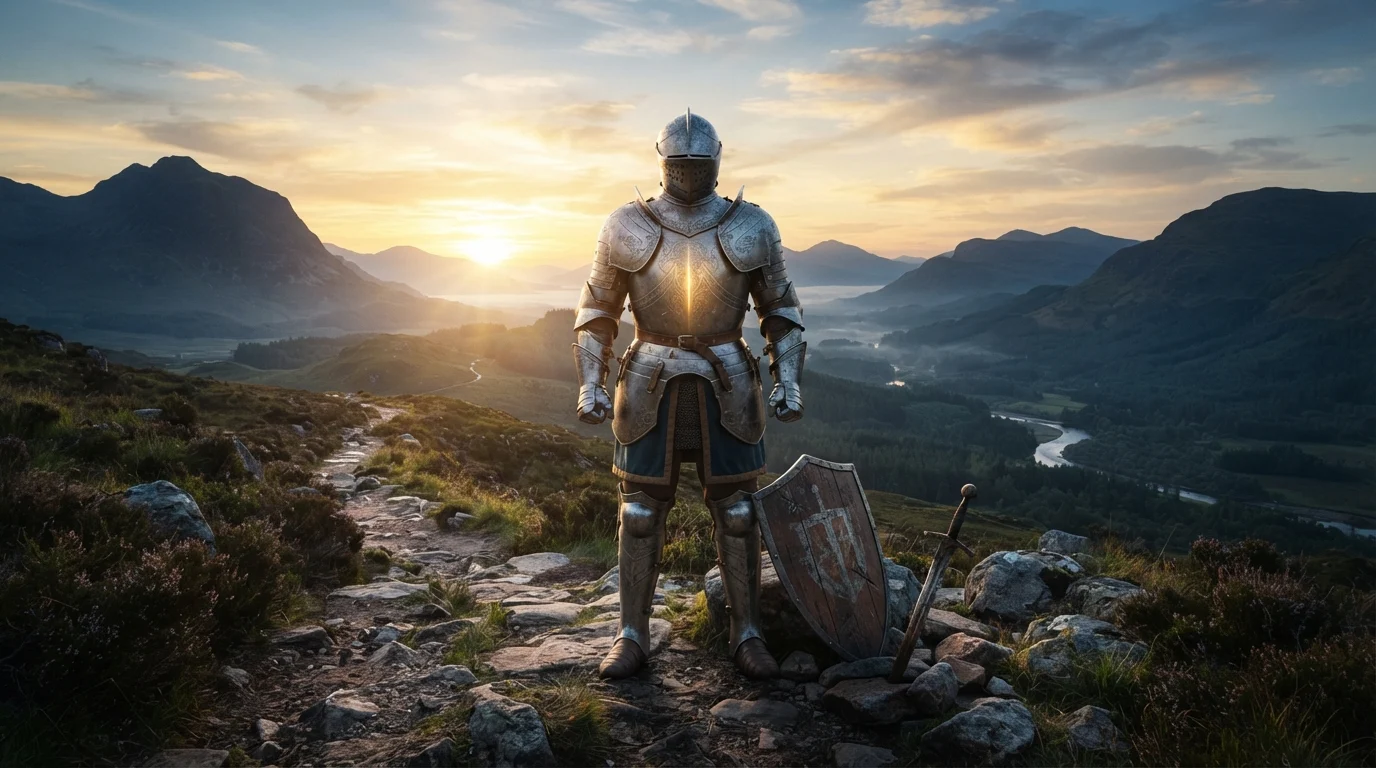
Armor symbolism is closely connected with protection, strength, courage, resilience, and defense. Throughout history, armor has represented the ability to withstand danger while protecting something valuable.
Beyond physical protection, armor can symbolize emotional boundaries, spiritual strength, inner courage, and the determination to face difficult circumstances.
When armor appears in stories, artwork, dreams, religion, or everyday symbolism, it often raises an important question: What are we protecting, and why? Its meaning can be both empowering and cautionary, depending on how the armor is used.
Armor Symbolism Meaning (Clear Definition)
Armor symbolism represents protection, strength, courage, resilience, defense, and preparedness in the face of danger or adversity. It can symbolize physical safety as well as emotional or spiritual protection.
Armor traditionally protects the body from harm. Symbolically, however, it can represent the defenses people develop to protect their hearts, beliefs, identities, relationships, and values.
Common meanings associated with armor include:
- Protection — guarding oneself or something precious from harm.
- Strength — having the ability to endure difficult circumstances.
- Courage — facing danger rather than simply avoiding it.
- Resilience — recovering and continuing after hardship.
- Defense — establishing boundaries against threats.
- Preparedness — being ready for challenges before they arrive.
- Emotional guardedness — protecting vulnerable feelings from being hurt.
The symbolism can change according to context. Armor worn by a heroic figure may represent courage, while armor that cannot be removed may symbolize fear, emotional isolation, or an unwillingness to become vulnerable.
What Does Armor Symbolism Represent?
Armor often represents the human desire to feel safe while remaining strong enough to face uncertainty.
At its most positive level, armor symbolizes self-protection without surrendering one’s values. It can represent someone who has experienced hardship but has developed greater resilience as a result.
Armor can also symbolize boundaries. Just as physical armor creates a barrier between the body and an external threat, emotional armor can create distance between a person and experiences that might cause pain.
Common Symbolic Meanings of Armor
| Symbolic Meaning | What It Can Represent |
|---|---|
| Protection | Safety from physical, emotional, or spiritual harm |
| Strength | Inner power and endurance |
| Courage | Willingness to confront challenges |
| Resilience | The ability to survive and recover from hardship |
| Defense | Boundaries and resistance |
| Preparedness | Readiness for difficult situations |
| Honor | Duty, responsibility, and loyalty |
| Emotional armor | Guarding vulnerable feelings |
| Spiritual protection | Faith and resistance against temptation or fear |
Armor therefore has a dual nature. It can help a person survive, but excessive armor can also prevent connection, openness, and vulnerability.
Spiritual Meaning of Armor Symbolism
Spiritually, armor often represents protection of the soul, faith, values, and inner identity.
Many spiritual traditions use protective imagery to describe the struggle between good and harmful influences. Armor can symbolize the spiritual strength needed to remain faithful, centered, and morally grounded during difficult periods.
A person who identifies with armor symbolism may be seeking security during a time of uncertainty. It can represent the desire to stand firmly against fear, temptation, negativity, or circumstances that threaten one’s sense of purpose.
Armor can also symbolize spiritual discipline. Wearing symbolic armor suggests that inner strength is not always accidental; sometimes it is developed through experience, reflection, faith, and deliberate choices.
At the same time, spiritual armor does not necessarily mean becoming emotionally closed. Its deeper message can be about protecting what matters while remaining open to wisdom, compassion, and growth.
Biblical / Religious Meaning of Armor Symbolism
Armor has a particularly strong symbolic presence in Christianity. The “armor of God” described in Ephesians 6:10–18 presents spiritual protection through imagery such as the belt of truth, breastplate of righteousness, shield of faith, helmet of salvation, and sword of the Spirit.
In this biblical context, armor is not primarily about physical warfare. It represents spiritual readiness and steadfastness.
The imagery connects different pieces of armor with qualities such as:
- Truth
- Righteousness
- Faith
- Salvation
- Peace
- The word of God
This makes biblical armor symbolism especially associated with spiritual defense, moral conviction, faith, and perseverance.
More broadly, protective clothing and warrior imagery appear across religious and cultural traditions. The exact meaning varies between traditions, but the underlying symbolism often involves defending sacred values, resisting danger, or remaining committed during trials.
Armor Symbolism in History and Culture
Armor has existed in many forms across human history, from leather and bronze protection to elaborate suits of metal armor.
Historically, armor was designed to protect warriors from weapons and improve their chances of surviving combat. Over time, however, it also became a visual symbol of status, military identity, duty, and power.
Different cultures gave armor distinctive designs and meanings. European knights are commonly associated with plate armor and chivalric ideals. Japanese samurai armor combined practical protection with distinctive artistic design and social identity. Ceremonial armor in various societies could communicate rank, authority, wealth, or prestige even when it was not intended for actual battle.
This historical background helps explain why armor continues to symbolize more than physical defense. It became connected with the image of the warrior—someone prepared to face danger in service of a cause, community, ruler, or personal code.
Armor Symbolism in Literature and Art
In literature and art, armor frequently represents the qualities of the warrior archetype.
A character wearing armor may be portrayed as brave, disciplined, loyal, powerful, or prepared for sacrifice. But artists and writers also use armor to explore the opposite idea: what happens when protection becomes a prison?
A heavily armored character can symbolize someone who has become emotionally inaccessible. The armor protects them from pain, but it may also prevent intimacy and genuine connection.
Armor can therefore function as a powerful metaphor for the human personality:
Outer armor = the defenses people show the world.
Inner self = the vulnerable identity protected underneath.
This contrast is especially meaningful in stories involving love, trauma, personal transformation, leadership, or redemption.
Removing armor can symbolize trust. Damaged armor may represent hardship or defeat. A character repairing armor may symbolize recovery, preparation, or rebuilding strength.
Dream Meaning of Armor Symbolism
Dreaming about armor often relates to protection, emotional boundaries, conflict, fear, or personal strength.
The meaning depends heavily on the circumstances of the dream.
Common Armor Dreams and Their Possible Meanings
Wearing armor:
May represent feeling prepared to defend yourself or face a difficult situation.
Putting on armor:
Can symbolize preparing emotionally or mentally for an upcoming challenge.
Removing armor:
May suggest vulnerability, trust, emotional openness, or a desire to stop hiding behind defenses.
Damaged armor:
Can represent exhaustion, emotional wounds, weakened defenses, or the feeling that your usual coping strategies are no longer working.
Shiny or beautiful armor:
May symbolize confidence, dignity, achievement, or a strong public identity.
Heavy armor:
Could reflect emotional burdens or the feeling that constantly protecting yourself has become exhausting.
Fighting while wearing armor:
May symbolize determination, conflict, resistance, or the need to stand firm under pressure.
Dream symbolism is personal rather than universal. The emotions experienced during the dream and the events occurring in waking life can be more important than the image of armor alone.
Modern Meaning of Armor Symbolism
Today, armor symbolism extends well beyond warriors and battlefields.
People often use the concept of emotional armor to describe the protective behaviors developed after disappointment, rejection, betrayal, or difficult experiences.
In this sense, armor can represent:
- Strong personal boundaries
- Emotional self-protection
- Confidence
- Self discipline
- Psychological resilience
- Professional composure
- Protection from negativity
- Resistance to social pressure
Modern armor can also be metaphorical. A person may use humor as armor, confidence as armor, silence as armor, or independence as armor.
This creates an important distinction: protection is not always the same as healing.
Healthy boundaries can protect a person while allowing meaningful relationships to develop. Excessive emotional armor, however, may prevent someone from receiving support or expressing vulnerability.
The most balanced interpretation of armor symbolism is therefore not simply “be strong.” It is know what deserves protection, know when protection is necessary, and know when it is safe to lower your defenses.
What Does Wearing Armor Symbolize?
Wearing armor commonly symbolizes protection, courage, preparedness, and emotional defense. In a personal context, it may suggest that someone is preparing to face a challenge or protecting a vulnerable part of themselves.
What Does Removing Armor Symbolize?
Removing armor can symbolize vulnerability, trust, openness, surrender, or emotional healing. It may represent becoming comfortable enough to reveal one’s authentic self.
Is Armor a Symbol of Strength?
Yes, armor is widely associated with strength because it protects against danger and allows someone to withstand difficult circumstances. Symbolically, it can represent both physical endurance and inner resilience.
What Does Broken Armor Symbolize?
Broken armor may symbolize vulnerability, defeat, emotional wounds, exhaustion, or the realization that old defenses are no longer effective. In a more positive interpretation, it can represent transformation and the beginning of rebuilding.
What Does Armor Symbolize Spiritually?
Spiritually, armor can symbolize faith, protection, moral strength, spiritual readiness, and resistance against negative influences. In Christian symbolism, the biblical “armor of God” gives this imagery a particularly strong connection with faith and spiritual perseverance.
Conclusion
Armor symbolism carries a powerful message about protection, strength, courage, and resilience. From ancient warriors to modern ideas about emotional boundaries, armor represents the defenses people create around what they value most.
Yet armor also teaches a deeper lesson: strength does not always mean remaining protected. Sometimes true strength means knowing when to defend yourself and when it is safe to become vulnerable.
The most meaningful armor protects the heart without preventing it from living, connecting, and growing.

I’m Beau Warren, a passionate writer exploring the meanings behind symbols, dreams, colors, animals, and traditions. I enjoy creating well-researched, engaging content that inspires curiosity and deeper understanding every day.