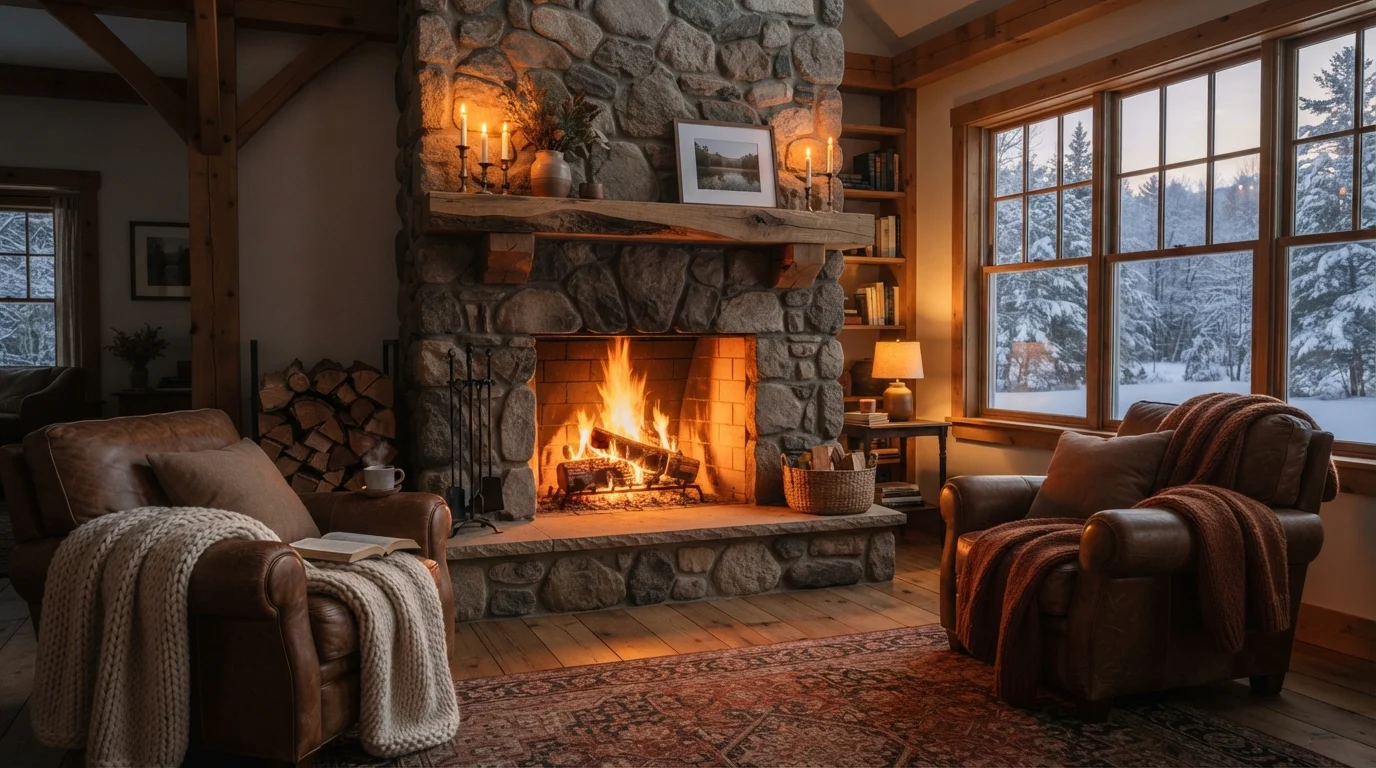
Fireplace symbolism is deeply connected to warmth, comfort, family, protection, and emotional security.
For centuries, the fireplace has served as the heart of the home, providing heat, light, and a gathering place where people share stories and build lasting memories.
Beyond its practical purpose, a fireplace can represent love, transformation, inner strength, and the reassuring feeling of belonging.
If you see a fireplace in a dream, feel drawn to a crackling fire, or wonder about its spiritual significance, this familiar feature of home life carries rich symbolic meaning. It reminds us that warmth is not only physical.
It can also come from meaningful relationships, personal reflection, and the simple moments that make life feel complete.
Fireplace Symbolism Meaning (Clear Definition)
Fireplace symbolism refers to the meanings associated with a fireplace, including home, comfort, family unity, emotional warmth, protection, and renewal.
Because a fireplace contains and directs fire, it can also represent controlled passion, creativity, transformation, and the balance between power and safety.
Historically, fireplaces helped people survive cold weather, prepare food, and gather together. These essential functions shaped their symbolic connection with security, hospitality, and community.
The central meaning of fireplace symbolism is the warmth and stability that help people feel safe, connected, and emotionally grounded.
Depending on the context, a fireplace may symbolize:
- Home and belonging: A place of comfort, familiarity, and acceptance.
- Family and togetherness: Shared experiences, conversations, and lasting memories.
- Emotional warmth: Love, compassion, affection, and support.
- Protection and security: Shelter from harsh conditions and uncertainty.
- Passion and creativity: The inner fire that inspires action and personal expression.
- Transformation and renewal: The ability to release the old and make room for change.
- Peace and reflection: Quiet moments that encourage mindfulness and self-understanding.
The fireplace’s condition also influences its possible meaning. A glowing fire may suggest vitality and connection, while an empty hearth might evoke loneliness, rest, or the need to reconnect with what matters.
What Does Fireplace Symbolism Represent?
Fireplace symbolism represents several important aspects of human experience, particularly the relationship between physical shelter and emotional well-being.
1. Home and Belonging
A fireplace often represents the heart of a home. Its warmth creates a welcoming atmosphere where people can relax, share experiences, and feel accepted.
Symbolically, it reminds us that home is more than a building. It is the emotional environment created by trust, understanding, familiarity, and care.
A fireplace may therefore represent a desire to establish deeper roots, create a peaceful living space, or reconnect with the people who make you feel understood.
2. Family Unity and Togetherness
Throughout history, families have gathered around fireplaces to eat, talk, work, and tell stories. This tradition connects the hearth with unity and shared identity.
Fireplace symbolism can encourage you to appreciate the relationships that sustain you. It may also remind you that meaningful family bonds develop through everyday gestures, such as listening, offering help, and spending time together.
Even when family members live far apart, the image of a shared hearth can symbolize the emotional connection that remains.
3. Emotional Warmth and Love
A fireplace produces a warmth that people often associate with affection and comfort.
In symbolic terms, a glowing hearth may represent a loving relationship, renewed intimacy, or the reassurance of being cared for. It can also reflect the warmth you offer others through kindness and compassion.
This interpretation encourages you to consider whether your relationships provide emotional nourishment and whether you make others feel welcome in your presence.
4. Safety and Protection
A traditional fireplace provides shelter from the cold, making it a natural symbol of protection.
Its surrounding structure contains a powerful element and allows people to benefit from its warmth when it is managed safely. Symbolically, this can represent healthy boundaries, emotional stability, and the importance of creating a secure environment.
The fireplace reminds us that safety is not simply the absence of danger. It also involves having a place where we can rest, recover, and regain our strength.
5. Passion and Inner Strength
Fire is often associated with energy, determination, and desire. When that fire burns within a fireplace, it can represent passion that is focused and directed rather than uncontrolled.
This symbolism may reflect a personal ambition, a creative project, or a relationship that continues to inspire you.
A steady flame can serve as a reminder that lasting motivation does not always need to be dramatic. Sometimes, quiet dedication is more powerful than sudden bursts of enthusiasm.
6. Transformation and Renewal
Fire changes the materials it consumes, which gives it an enduring association with transformation.
A fireplace can symbolize the process of moving through an ending and preparing for a new beginning. Its ashes may suggest the remains of an experience, while newly added wood can represent fresh energy and renewed intention.
This does not mean that every ending is easy. Rather, the symbolism encourages you to recognize that difficult experiences can become opportunities for learning and growth.
7. Peace, Rest, and Reflection
Watching a fire can create a sense of stillness. The changing flames, gentle crackling, and soft light encourage people to slow down and pay attention to the present moment.
In this sense, a fireplace represents a peaceful pause from the demands of daily life.
It can remind you to make room for rest, reflection, and the quiet activities that restore emotional balance.
Spiritual Meaning of Fireplace Symbolism
The spiritual meaning of fireplace symbolism often centers on inner warmth, transformation, grounding, protection, and the nurturing of the soul.
Although spiritual interpretations differ across traditions, the fireplace offers a powerful image of fire contained within a place of shelter. It brings together the energy of transformation and the comfort of stability.
Fireplace as a Symbol of Inner Light
A glowing fireplace can represent the light within a person: hope, wisdom, compassion, and the ability to find meaning during difficult times.
When life feels uncertain, this image may encourage you to reconnect with your values and remember the qualities that help you move forward.
The flame does not need to illuminate everything around it to be useful. Even a small light can make a dark space feel less overwhelming.
Fireplace as a Symbol of Spiritual Grounding
A hearth is firmly associated with the physical home, making it a useful symbol of grounding.
Spiritually, grounding means remaining connected to the present moment, your responsibilities, and the practical aspects of life while exploring deeper questions.
The fireplace encourages a balanced approach to spirituality. Reflection and inspiration can be valuable, but so can caring for your home, maintaining relationships, and treating others with kindness.
Fireplace as a Symbol of Transformation
Fire is a recurring symbol of purification and change in many spiritual and cultural traditions. Within a fireplace, its energy is contained and used to create warmth.
This image can represent personal transformation that happens through patience, discipline, and reflection.
You might associate a fireplace with releasing resentment, moving beyond an outdated belief, or finding the courage to begin a new chapter.
The symbolism is not about erasing the past. It is about learning from it without allowing it to define every part of your future.
Fireplace as a Symbol of Abundance
A well-maintained hearth historically indicated that a household had fuel and the means to prepare food and remain warm.
Spiritually, this can symbolize gratitude, provision, and appreciation for the resources that support daily life.
Abundance does not always mean wealth. It can also involve friendship, meaningful work, emotional support, good health, and a sense of purpose.
Fireplace as a Symbol of Balance
Fire can be both beneficial and destructive. A fireplace demonstrates the importance of managing its power within appropriate boundaries.
As a spiritual metaphor, this can represent the balance between passion and patience, ambition and rest, or independence and connection.
The lesson is that powerful emotions and desires can become constructive when guided by awareness and responsibility.
Biblical / Religious Meaning of Fireplace Symbolism
The Bible contains many references to fire, hearths, household life, and the spiritual meanings associated with light, warmth, judgment, and purification. However, it does not establish one universal symbolic interpretation specifically for fireplaces.
Understanding fireplace symbolism in a biblical or religious context requires distinguishing the practical hearth from the broader symbolism of fire.
Fire as a Symbol of God’s Presence
In Exodus 3:2, Moses encounters the burning bush, which burns without being consumed. This event is associated with God’s presence and the beginning of Moses’ calling.
Although the passage does not describe a fireplace, it illustrates how fire can symbolize divine presence, revelation, and a moment of spiritual awakening.
A fireplace may remind some readers of this imagery because it brings light and warmth into an otherwise dark or cold environment.
Fire as a Symbol of Spiritual Refinement
Biblical passages sometimes use fire as an image of purification and testing. For example, Malachi 3:2–3 compares the refining process to a refiner’s fire.
This imagery can be connected metaphorically to the fireplace as a place where fire is contained and used constructively.
The interpretation may encourage reflection on how challenges test character, reveal priorities, and contribute to personal maturity.
The Hearth as a Symbol of Hospitality
In biblical societies, household life played an important role in hospitality and community. A warm home could provide shelter, food, and a place of welcome.
While the Bible does not assign a specific spiritual doctrine to the modern fireplace, the image of a welcoming hearth can complement biblical themes of generosity, care for strangers, and hospitality.
Romans 12:13, for example, encourages believers to practice hospitality.
Firelight as a Symbol of Guidance
Light is an important biblical theme, often associated with truth, wisdom, and guidance. Psalm 119:105 describes God’s word as a lamp for the feet and a light for the path.
A glowing fireplace can evoke this imagery in a personal or artistic sense, representing hope and guidance during difficult periods.
However, seeing a fireplace should not automatically be interpreted as a divine message. Its significance depends on personal faith, context, and interpretation.
Fireplace Symbolism in History and Culture
The fireplace has played a central role in human life for centuries. Before modern heating systems, a household hearth was essential for warmth, cooking, and survival.
Its practical importance helped transform it into a powerful cultural symbol of family, continuity, hospitality, and home.
The Hearth in Ancient and Traditional Homes
In many traditional societies, the hearth was one of the most important parts of a dwelling. It provided heat, helped prepare meals, and created a natural gathering point.
In some cultures, the hearth also held ceremonial or religious significance. Household customs could connect it with ancestors, family continuity, or protection.
These associations varied considerably between regions and historical periods.
The Roman Goddess Vesta and the Sacred Hearth
In ancient Roman religion, Vesta was the goddess associated with the hearth and its sacred fire.
The maintenance of Vesta’s sacred flame was an important public religious responsibility. The flame symbolized continuity, security, and the well-being of the Roman state.
This tradition demonstrates that the hearth could represent more than individual family life. It could also embody collective identity and civic stability.
The Hearth in European Traditions
In many European homes, the hearth became a symbol of domestic life, family heritage, and hospitality.
Traditional expressions such as “home and hearth” reflect the close association between shelter and emotional belonging.
In folklore, the hearth sometimes appears as a place of protection, storytelling, and continuity between generations.
The Fireplace in Seasonal Traditions
Fireplaces have an important place in winter customs and holiday celebrations. In many households, a fire creates an inviting setting for gatherings, shared meals, and seasonal rituals.
In some Christmas traditions, the hearth is associated with hospitality, celebration, and the warmth of family life.
These customs reinforce the fireplace’s symbolic relationship with generosity, comfort, and togetherness.
The Hearth as a Symbol of Family Heritage
For many families, a fireplace can serve as a physical reminder of earlier generations.
A traditional mantel may hold family photographs, inherited objects, or meaningful decorations. These items turn the fireplace into a place where personal history and shared memories meet.
In this context, the hearth symbolizes continuity: the way values, stories, and traditions pass from one generation to another.
Fireplace Symbolism in Literature and Art
In literature and visual art, fireplaces often establish atmosphere and communicate ideas about relationships, security, isolation, and change.
Because readers and viewers already associate the hearth with home, artists can use it to express emotional meanings without lengthy explanations.
The Fireplace as a Symbol of Home
A warm fireplace in a novel, painting, or film often creates a sense of safety and belonging.
Characters gathered around a hearth may share secrets, resolve disagreements, celebrate important moments, or reconnect after a difficult journey.
The fireplace becomes a visual shorthand for a place where people can lower their defenses and be themselves.
The Empty Hearth as a Symbol of Loneliness
An unlit fireplace can create a very different atmosphere.
In literature and art, an empty hearth may suggest an abandoned home, emotional distance, grief, or the loss of a once-vibrant family life.
However, an unlit fireplace can also represent peaceful rest or the quiet interval before something new begins. Its meaning depends on the surrounding scene.
Fire as a Symbol of Passion
A blazing fireplace can represent intense emotions, romantic attraction, creative energy, or ambition.
Writers may contrast a strong fire with cold surroundings to emphasize the power of a relationship or a character’s determination.
The same imagery can also suggest anger or conflict when the flames appear threatening rather than comforting.
The Fireplace as a Storytelling Space
Historically, people gathered around fires to tell stories, pass on knowledge, and preserve traditions.
In storytelling, this setting can symbolize the connection between generations and the power of shared experiences.
A character listening to an older family member beside a fireplace may represent the transfer of wisdom, while a group sharing stories may embody the strength of community.
The Fireplace as a Symbol of Change
Artists may use the fireplace to represent the transition between different stages of life.
A dying fire might suggest the end of a relationship or the fading of an old identity. A newly lit fire may indicate renewed hope, reconciliation, or the beginning of a fresh chapter.
Such images invite viewers to consider how endings and beginnings often exist together.
Dream Meaning of Fireplace Symbolism
Dreams involving fireplaces may reflect your feelings about home, relationships, emotional security, personal energy, or the changes taking place in your life.
Dream interpretation is subjective, and there is no reliable scientific evidence that a particular fireplace dream predicts future events. However, exploring your emotional response to the dream can help you understand what it means to you.
Dreaming of a Warm, Glowing Fireplace
A warm, inviting fireplace may symbolize comfort, belonging, or a desire for emotional stability.
If you feel peaceful in the dream, it might reflect satisfaction with your relationships or a longing for a quieter period in life.
Dreaming of a Fireplace With No Fire
An empty or cold fireplace may symbolize loneliness, emotional distance, exhaustion, or a temporary lack of motivation.
It could also represent a need for rest or a pause before beginning something new.
Consider whether an important relationship or personal goal needs renewed attention.
Dreaming of a Roaring Fireplace
A large, energetic fire may represent passion, motivation, excitement, or intense emotions.
If the fire feels comforting, it could reflect enthusiasm and vitality. If it feels threatening, it might mirror stress, anger, or a situation that seems difficult to control.
Dreaming of a Fireplace That Is Out of Control
A fire escaping the fireplace may symbolize concerns about boundaries or emotions becoming overwhelming.
The dream might encourage you to examine whether you are taking on too much responsibility or allowing frustration to build without addressing it.
This interpretation is a prompt for reflection, not a prediction of danger.
Dreaming of Cleaning a Fireplace
Cleaning ashes from a fireplace may symbolize reflection, letting go, or preparing for a new beginning.
It can represent a desire to resolve old problems, clear away emotional clutter, or create space for a different direction.
Dreaming of Sitting Beside a Fireplace With Loved Ones
This dream may reflect closeness, nostalgia, or a desire for stronger family and social connections.
If you have been feeling disconnected, it could encourage you to make time for the people who help you feel supported.
Dreaming of Lighting a Fireplace
Lighting a fireplace may symbolize renewed motivation, the beginning of a relationship, or a decision to bring more warmth into your life.
The act of starting a fire can represent taking the first practical step toward a goal that matters to you.
Modern Meaning of Fireplace Symbolism
Today, fireplaces are no longer essential in every home, but their symbolic importance remains strong.
Modern fireplace symbolism often focuses on comfort, mindfulness, personal identity, emotional connection, and the creation of a peaceful living environment.
Fireplace Symbolism in Interior Design
In modern homes, a fireplace often acts as a focal point. Furniture may be arranged around it, and decorations may be placed on the mantel to create a welcoming atmosphere.
Symbolically, this design choice reflects the desire to build a space that encourages conversation, relaxation, and togetherness.
Even electric or decorative fireplaces can carry these associations because their meaning comes partly from cultural tradition rather than practical heating alone.
The Fireplace as a Symbol of Mindfulness
Watching flames can encourage people to slow down, notice their surroundings, and step away from constant digital stimulation.
For some, a fireplace represents a simple form of mindful relaxation: a chance to sit quietly, reflect, read, or enjoy someone’s company.
The broader lesson is that peace can come from making deliberate room for rest.
Fireplace Symbolism and Emotional Well-Being
A comfortable home environment can contribute to a sense of emotional security. The fireplace often symbolizes this feeling, particularly when associated with supportive relationships and familiar routines.
Its imagery may remind you to create an environment where you can recover from stress and feel accepted.
A peaceful home does not need to be perfect. It needs to provide space for rest, honest communication, and connection.
Fireplace Symbolism and Relationships
A shared hearth can represent intimacy, trust, and the willingness to spend time together without distractions.
In a relationship, the fireplace may symbolize maintaining emotional warmth through small but consistent actions.
Listening carefully, expressing appreciation, and addressing disagreements with compassion can help preserve that warmth over time.
Fireplace Symbolism and Personal Transformation
The modern fireplace can also represent the balance between ambition and comfort.
A steady flame suggests maintaining motivation without burning yourself out. It encourages you to pursue meaningful goals while protecting the relationships, routines, and personal values that make success worthwhile.
In this sense, the fireplace symbolizes not only the warmth of home but also the inner energy that keeps you moving forward.
Fireplace Symbolism: Common Meanings at a Glance
| Fireplace image | Symbolic meaning |
|---|---|
| Warm, glowing fire | Comfort, love, and emotional security |
| Family gathered around a hearth | Unity, belonging, and shared memories |
| Burning logs | Passion, energy, and transformation |
| Empty fireplace | Loneliness, rest, or a period of transition |
| Freshly lit fire | Hope, renewal, and new beginnings |
| Fireplace ashes | Endings, reflection, and letting go |
| Stone fireplace | Stability, endurance, and tradition |
| Fire that is too large | Overwhelming emotions or a need for boundaries |
| Fireplace in a dream | Personal feelings about home, safety, and connection |
These meanings are flexible interpretations rather than universal rules. The details of the situation and your personal associations help determine which meaning feels most relevant.
Frequently Asked Questions About Fireplace Symbolism
1. What does a fireplace symbolize spiritually?
A fireplace can symbolize inner light, protection, grounding, transformation, and emotional warmth. Spiritually, it may encourage you to nurture your relationships and maintain balance between passion and peace.
2. What does a fireplace symbolize in a home?
A fireplace commonly represents comfort, family unity, security, and belonging. It often serves as a symbolic center of the home where people gather and create lasting memories.
3. What does a fireplace mean in a dream?
A fireplace dream may reflect your feelings about emotional security, relationships, motivation, or personal change. A warm fire may suggest comfort, while an empty or uncontrolled fireplace may reflect loneliness, stress, or concerns about boundaries.
4. What does a burning fireplace symbolize?
A burning fireplace often symbolizes vitality, passion, warmth, and renewal. A steady, controlled fire may suggest balanced energy, while an overwhelming blaze can represent emotions or responsibilities that feel difficult to manage.
5. Is a fireplace a symbol of good luck?
A fireplace can represent prosperity, stability, and a welcoming home in some cultural or personal interpretations. However, there is no universal tradition establishing that a fireplace guarantees good luck or future success.
Conclusion: The Lasting Meaning of Fireplace Symbolism
Fireplace symbolism reminds us that warmth, security, and connection are essential parts of a meaningful life.
From the ancient household hearth to the modern living room, the fireplace represents the comfort of belonging, the strength of family bonds, and the transformative power of a steady inner flame.
If it appears in a dream, a work of art, or your everyday surroundings, a fireplace can inspire you to nurture your relationships, appreciate life’s simple comforts, and create space for renewal.
Its deepest lesson is that lasting warmth comes not only from the fire itself, but also from the care, love, and purpose we bring into our lives.

I’m Beau Warren, a passionate writer exploring the meanings behind symbols, dreams, colors, animals, and traditions. I enjoy creating well-researched, engaging content that inspires curiosity and deeper understanding every day.


