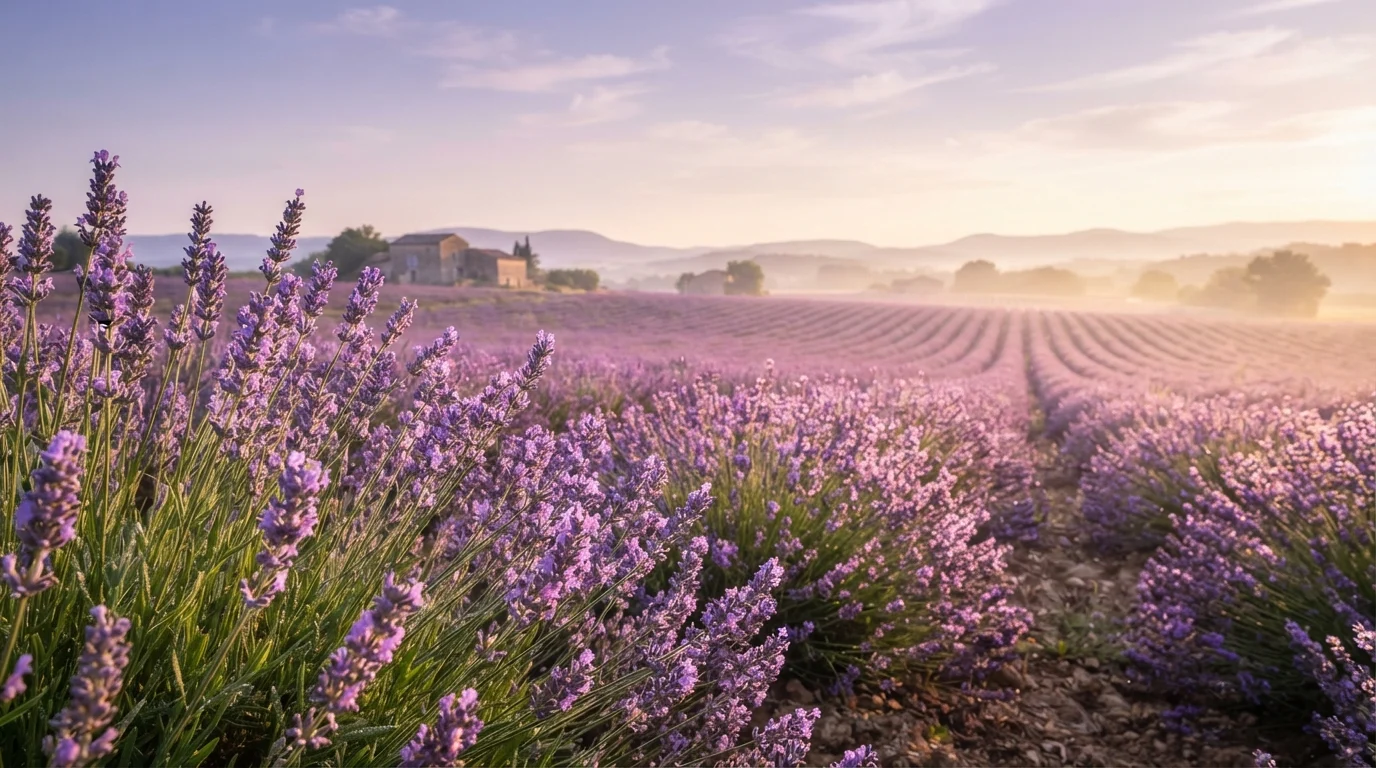
Lavender symbolism is deeply connected with peace, purity, calmness, healing, devotion, and spiritual protection. For centuries, lavender has been valued not only for its soothing fragrance but also for the emotional and symbolic meanings associated with its delicate purple flowers.
If you see lavender in a garden, artwork, dreams, ceremonies, or everyday life, it can represent a quiet form of strength. Its gentle appearance and calming scent often remind us to slow down, find balance, and create peace within ourselves.
Lavender Symbolism Meaning (Clear Definition)
The simplest definition of lavender symbolism is the use of lavender to represent peace, purity, healing, tranquility, devotion, grace, and protection.
Lavender is often associated with calm emotions because of its soothing fragrance and soft appearance. Its purple color can also connect it with spirituality, wisdom, dignity, and transformation.
What Does Lavender Symbolize?
| Symbolic Meaning | What It Represents |
|---|---|
| Peace | Inner calm and harmony |
| Purity | Clean intentions and spiritual cleanliness |
| Healing | Emotional renewal and restoration |
| Love | Devotion, tenderness, and affection |
| Protection | A peaceful sense of safety |
| Spirituality | Intuition, reflection, and higher awareness |
| Grace | Elegance, gentleness, and dignity |
| Serenity | Freedom from stress and emotional turmoil |
Because of these associations, lavender can carry a message of quiet healing and peaceful transformation.
What Does Lavender Symbolism Represent?
Lavender symbolism can represent several powerful ideas depending on the situation.
Peace and tranquility are among its strongest meanings. Lavender’s gentle fragrance has long been associated with relaxation, making the flower a natural symbol of emotional calm.
Purity is another important meaning. Its clean fragrance and delicate flowers can symbolize sincerity, innocence, and a desire for a fresh beginning.
Lavender may also represent devotion and lasting affection. Unlike symbols associated with dramatic or passionate love, lavender often expresses a softer kind of love built on trust, care, and emotional connection.
Other common symbolic associations include:
- Peace and emotional balance
- Healing and renewal
- Spiritual awareness
- Purity and innocence
- Devotion and loyalty
- Protection and comfort
- Grace and elegance
Spiritual Meaning of Lavender Symbolism
The spiritual meaning of lavender is often connected with peace, purification, protection, intuition, and emotional healing.
Its calming presence makes it a popular spiritual symbol for people seeking stillness and reflection. Lavender can represent the idea of clearing away emotional heaviness and creating space for inner peace.
The purple color of lavender also gives it a spiritual dimension. Purple has traditionally been associated with wisdom, mystery, intuition, and higher consciousness.
From a symbolic perspective, lavender can therefore suggest a journey from emotional disturbance toward clarity, balance, and spiritual renewal.
For some people, lavender represents a peaceful reminder that healing does not always happen dramatically. Sometimes transformation begins quietly.
Biblical / Religious Meaning of Lavender Symbolism
Lavender does not have a clearly established symbolic meaning in the Bible comparable to symbols such as the olive branch, dove, or lily. Modern claims that lavender has one specific biblical meaning should therefore be treated cautiously.
However, lavender can be connected symbolically with broader religious themes such as purity, peace, devotion, healing, and spiritual reflection.
In Christian inspired art and modern religious settings, flowers are sometimes used to communicate beauty, renewal, humility, or devotion. Lavender’s peaceful appearance can naturally fit these themes.
In other spiritual and cultural traditions, aromatic plants have also been valued for cleansing, ritual, remembrance, and creating peaceful environments.
Lavender Symbolism in History and Culture
Lavender has a long history of practical and cultural use. Its pleasant fragrance made it valuable for perfumes, bathing, household purposes, and aromatic preparations.
Ancient cultures recognized aromatic plants as useful for creating pleasant and clean environments. Over time, lavender became especially associated with cleanliness, freshness, and refinement.
In European traditions, lavender was frequently grown around homes and used for its fragrance. It eventually became closely connected with gardens, domestic comfort, and traditional herbal practices.
Its purple flowers also helped establish an association with elegance, luxury, spirituality, and sophistication.
Different cultures may interpret lavender differently, but the recurring themes are remarkably similar: calmness, fragrance, cleanliness, beauty, and restoration.
Lavender Symbolism in Literature and Art
Lavender’s visual and sensory qualities make it an attractive symbol in literature and art.
Writers may use lavender to create an atmosphere of peace, nostalgia, tenderness, solitude, or quiet beauty. A field of lavender can suggest a peaceful landscape, while a single lavender flower may represent delicate emotions or remembrance.
In visual art, lavender’s purple color can create a dreamlike or contemplative mood. Lavender fields are often portrayed as peaceful spaces that evoke freedom, nature, and emotional escape.
The flower can therefore work on two levels: it is beautiful in itself, while also helping artists communicate feelings that are difficult to express directly.
Dream Meaning of Lavender Symbolism
Dreaming about lavender is commonly interpreted as a symbol of peace, emotional healing, relaxation, or spiritual renewal.
The specific meaning depends on the dream’s context and the feelings experienced during it.
For example:
- Seeing lavender: May symbolize peace, comfort, or a need for emotional balance.
- Smelling lavender: Can represent relaxation, pleasant memories, or emotional reassurance.
- Picking lavender: May suggest appreciating beauty or gathering emotional strength.
- A lavender field: Can symbolize freedom, serenity, and a desire to escape stress.
- Giving lavender to someone: May represent affection, forgiveness, care, or peaceful intentions.
- Wilting lavender: Could symbolize emotional exhaustion or something that needs renewed attention.
Dream symbolism is subjective, so the strongest interpretation usually comes from your personal associations with lavender and the emotions present in the dream.
Modern Meaning of Lavender Symbolism
Today, lavender symbolism remains strongly connected with well being, mindfulness, relaxation, self care, and emotional balance.
Lavender is widely recognized as a symbol of calm living. Its appearance is common in products, gardens, interiors, celebrations, and wellness settings designed to create a peaceful atmosphere.
The color lavender has also developed its own cultural associations. It can communicate softness, creativity, individuality, elegance, and gentle confidence.
In modern relationships and personal symbolism, lavender can express affection without the intensity traditionally associated with red roses. It can suggest quiet love, sincere care, and emotional peace.
For this reason, lavender continues to feel timeless: its symbolism combines natural beauty with a message of calm strength.
Lavender Symbolism in Different Contexts
Lavender can communicate different meanings depending on how it appears.
Lavender as a Gift
Giving lavender may symbolize peace, affection, appreciation, or sincere care. It can be especially meaningful when the intention is to offer comfort rather than dramatic romance.
Lavender at Weddings
Lavender can represent devotion, harmony, grace, and a peaceful partnership. Its gentle appearance makes it a popular symbolic choice for celebrations centered on love and commitment.
Lavender in a Garden
A lavender garden can symbolize tranquility, natural beauty, patience, and emotional restoration. It creates an image of peaceful growth rather than sudden transformation.
Lavender as a Tattoo
A lavender tattoo may represent healing, remembrance, inner peace, resilience, or personal growth. The meaning is highly individual and often reflects an important period of emotional change.
Why Is Lavender Associated With Peace and Healing?
Lavender became associated with peace partly because of its calming fragrance and its long history as an aromatic plant used in bathing, household settings, and personal care.
Symbolically, its gentle scent and soft purple flowers create an image of relaxation and restoration. This has helped lavender become one of the most recognizable symbols of calmness and self-care.
What Does Purple Lavender Symbolize?
Purple lavender commonly symbolizes spirituality, elegance, dignity, intuition, peace, and emotional balance.
The flower’s natural purple color strengthens its connection with mystery and reflection while its fragrance adds associations with calmness and comfort.
Is Lavender a Symbol of Love?
Yes, lavender can symbolize love, particularly devotion, tenderness, loyalty, and peaceful affection.
Its symbolism tends to express a gentle and sincere form of love rather than intense passion. This makes lavender meaningful for friendships, family relationships, and romantic connections alike.
What Does Lavender Mean Spiritually?
Spiritually, lavender can represent purification, peace, healing, protection, intuition, and inner transformation.
Its symbolism often encourages reflection and emotional balance, making it a natural representation of a peaceful spiritual journey.
What Does Lavender Mean in a Dream?
Lavender in a dream may symbolize peace, healing, comfort, emotional renewal, or a desire for tranquility.
The meaning depends on the dream’s details and your personal feelings toward lavender.
Conclusion
Lavender symbolism carries a gentle but powerful message. From peace and purity to healing, devotion, spirituality, and renewal, lavender represents the beauty of finding calm in a complicated world.
Its greatest symbolic lesson may be that strength does not always need to be loud. Sometimes, like lavender itself, true strength can be quiet, graceful, and deeply restorative.

I’m Beau Warren, a passionate writer exploring the meanings behind symbols, dreams, colors, animals, and traditions. I enjoy creating well-researched, engaging content that inspires curiosity and deeper understanding every day.