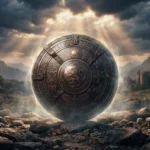
Storms are powerful forces of nature, filled with darkness, movement, noise, and sudden change. Storm symbolism often represents emotional turmoil, transformation, conflict, cleansing, or the challenges that shape a person’s life.
Yet storms can also symbolize hope because even the most intense weather eventually passes.
Across spiritual traditions, literature, art, dreams, and everyday life, storms have been used as metaphors for moments when everything feels uncertain. They can represent both destruction and renewal, reminding us that difficult periods may create the conditions for growth.
Storm Symbolism Meaning (Clear Definition)
Storm symbolism refers to the symbolic meanings associated with storms, often including emotional conflict, upheaval, transformation, cleansing, uncertainty, power, and renewal.
A storm can symbolize something difficult happening within a person or around them. Dark clouds may suggest uncertainty, while thunder can represent powerful emotions or an approaching confrontation.
At the same time, rain can symbolize cleansing and renewal. When the storm ends, clearer skies may represent relief, understanding, hope, or a fresh beginning.
Common meanings associated with storms include:
- Emotional turmoil — intense feelings, anxiety, anger, or sadness
- Change — a major transition or turning point
- Transformation — personal growth following hardship
- Conflict — struggles between people, ideas, or circumstances
- Cleansing — releasing old emotions or situations
- Power — uncontrollable forces or overwhelming experiences
- Renewal — new beginnings after a difficult period
The exact interpretation depends on the type of storm and the context in which it appears.
What Does Storm Symbolism Represent?
Storm symbolism represents the unpredictable nature of life. A calm day can suddenly become dark and turbulent, much like circumstances can change unexpectedly.
Storms frequently represent struggle before transformation. They may appear symbolically when someone is facing an important decision, emotional conflict, loss, or period of uncertainty.
| Storm Element | Symbolic Meaning |
|---|---|
| Dark clouds | Uncertainty, fear, hidden concerns |
| Thunder | Power, warning, emotional intensity |
| Lightning | Revelation, sudden insight, dramatic change |
| Heavy rain | Emotional release, cleansing, renewal |
| Strong winds | Instability, movement, change |
| Flooding | Overwhelming emotions or circumstances |
| Passing storm | Recovery, hope, and a new beginning |
| Calm after a storm | Peace, clarity, healing, resolution |
One of the most important ideas behind storm symbolism is that storms are temporary. They may be frightening while they last, but they also suggest that difficult circumstances can eventually give way to clarity.
Spiritual Meaning of Storm Symbolism
Spiritually, storm symbolism can represent a period of testing, transformation, or inner awakening.
A storm may symbolize the challenges that force someone to examine their beliefs, priorities, relationships, or direction in life. Instead of representing only suffering, it can signify a spiritual process through which a person becomes stronger and more aware.
Storms as Spiritual Tests
A storm can represent a difficult season in which patience, faith, courage, and resilience are tested.
Such symbolism suggests that growth does not always happen during peaceful moments. Sometimes uncertainty encourages deeper reflection.
Storms as Transformation
A storm destroys some things while making room for others. Symbolically, this can represent letting go of outdated beliefs, unhealthy attachments, or circumstances that no longer support personal growth.
Storms as Cleansing
Rain has long been associated with cleansing. Spiritually, a storm may therefore represent emotional or spiritual purification.
It can symbolize releasing anger, grief, fear, or exhaustion and making space for renewal.
The Calm After the Storm
Perhaps the most hopeful interpretation is the calm after the storm. This symbolizes healing, peace, clarity, and the belief that difficult experiences do not last forever.
Biblical / Religious Meaning of Storm Symbolism
Storms have strong symbolic significance in biblical and religious traditions. They can represent danger, divine power, trials, uncertainty, judgment, or moments in which faith is tested.
In Christian tradition, storms are sometimes used to illustrate human vulnerability and the need for trust during frightening circumstances.
One well-known biblical account describes Jesus calming a storm while his disciples are frightened on the water. The story is commonly interpreted as a lesson about faith, divine authority, and remaining spiritually grounded during times of fear.
Storm imagery can therefore carry two meanings at once: the presence of overwhelming difficulty and the possibility of protection, faith, and deliverance.
Religious interpretations of storms may include:
- A test of faith
- Divine power
- A period of spiritual uncertainty
- A warning or call for reflection
- Human vulnerability
- Protection during hardship
- Hope following suffering
It is important to remember that religious interpretations vary between traditions and individual beliefs. A storm does not necessarily have one universal spiritual meaning.
Storm Symbolism in History and Culture
Storms have fascinated humans throughout history because they demonstrate nature’s enormous power.
Before modern weather forecasting, storms could appear mysterious and terrifying. Thunder and lightning were often interpreted through religious or mythological frameworks.
In many ancient cultures, powerful weather was associated with gods or supernatural forces. Storm deities were frequently connected with thunder, lightning, rain, fertility, warfare, or authority.
Rain itself could carry a more positive meaning because agricultural societies depended on water for crops and survival. Consequently, a storm could simultaneously represent danger and blessing.
This dual symbolism remains important today. A storm may destroy homes or landscapes, but rain can also nourish the earth and restore dry environments.
Culturally, storms often represent the tension between:
Chaos and order
Destruction and renewal
Fear and courage
Darkness and light
Loss and recovery
That contrast helps explain why storm imagery remains so powerful across different societies.
Storm Symbolism in Literature and Art
Storms are among the most recognizable metaphors in literature and visual art.
Writers often use storms to reflect the emotional condition of their characters. A violent storm may appear during conflict, while peaceful weather can accompany resolution or emotional relief.
This technique is sometimes associated with pathetic fallacy, in which elements of nature appear to reflect human emotions.
For example, a character experiencing anger might be surrounded by thunder and lightning. Someone experiencing grief might encounter cold rain or heavy clouds.
Artists also use storms to create dramatic contrasts. A dark sky can make a small area of light appear especially meaningful, turning the storm into a visual metaphor for hope.
Common artistic interpretations include:
- Thunder as emotional intensity
- Lightning as sudden realization
- Dark clouds as uncertainty
- Rain as sorrow or cleansing
- Wind as freedom or instability
- Sunlight after rain as hope and recovery
Storm imagery is especially effective because viewers and readers can immediately recognize its emotional atmosphere.
Dream Meaning of Storm Symbolism
Dreams about storms are often associated with strong emotions, uncertainty, stress, conflict, or major changes in waking life.
However, dream symbolism is personal rather than fixed. The meaning of a storm can change depending on what happens during the dream and how you feel while experiencing it.
Dreaming of a Violent Storm
A violent storm may reflect overwhelming emotions or a situation that feels beyond your control.
It can symbolize anxiety, conflict, anger, or a major life disruption.
Dreaming of Watching a Storm
Watching a storm from a safe place may suggest that you are aware of a difficult situation but are not directly caught in it.
It can also represent emotional distance or the ability to observe problems without becoming overwhelmed.
Dreaming of Being Trapped in a Storm
Being trapped in a storm may symbolize feeling powerless or uncertain about how to handle a difficult circumstance.
The dream may encourage reflection on what situation in your waking life currently feels overwhelming.
Dreaming of a Storm Ending
A storm that clears may be an especially hopeful symbol. It can represent emotional healing, resolution, relief, or the end of a challenging period.
Dreaming of Lightning
Lightning often symbolizes sudden insight, revelation, inspiration, or unexpected change.
Because lightning appears suddenly, it can represent a realization that changes how you understand a person or situation.
Modern Meaning of Storm Symbolism
In modern life, storms are frequently used as metaphors for personal and social challenges.
People may describe a difficult period as a “storm” when they are dealing with relationship problems, career uncertainty, financial pressure, grief, or major change.
The phrase “weathering the storm” captures one of the most enduring meanings of storm symbolism: enduring difficulty without losing hope.
Modern interpretations often focus on resilience.
A storm does not necessarily mean that life is falling apart. It may simply represent a period in which circumstances are changing faster than expected.
This makes storm symbolism particularly relevant to personal growth. Challenges can reveal strengths that remain hidden during comfortable periods.
The storm can therefore become a metaphor for becoming stronger, wiser, and more adaptable.
Storm Symbolism and Personal Transformation
One of the deepest interpretations of storm symbolism is transformation.
Storms disrupt the landscape. They move things, break things, wash things away, and alter what remains. Symbolically, this resembles the way major life experiences can change a person’s identity.
A difficult experience may remove something familiar but create an opportunity to build something new.
This does not mean hardship is automatically good or necessary. Rather, storm symbolism can encourage a person to look for meaning and growth while moving through circumstances they cannot control.
The key message is not that you should seek storms, but that you can survive them and discover what matters afterward.
Storm Symbolism and Emotional Healing
Storms are also powerful symbols of emotional release.
Crying is sometimes compared metaphorically with rain because both involve an outward release of something that has accumulated internally.
From this perspective, rain can represent permission to feel, grieve, release, and eventually recover.
The storm becomes less about destruction and more about movement. Emotions that remain suppressed can feel stagnant, while acknowledging them may create a path toward healing.
This is why the image of sunlight returning after rain is so emotionally powerful: it represents the possibility that sadness and uncertainty are not permanent.
Frequently Asked Questions About Storm Symbolism
What is the main meaning of storm symbolism?
Storm symbolism commonly represents emotional turmoil, conflict, change, transformation, and uncertainty. It can also symbolize cleansing, resilience, renewal, and hope after hardship.
What does a storm symbolize spiritually?
Spiritually, a storm can symbolize a period of testing, inner transformation, spiritual uncertainty, or emotional cleansing. The calm that follows may represent healing and renewed faith.
What does a storm symbolize in dreams?
A storm in a dream may represent overwhelming emotions, conflict, anxiety, or major changes in waking life. A storm that ends can symbolize relief, healing, and resolution.
What does thunder symbolize spiritually?
Thunder can symbolize power, warning, authority, emotional intensity, or a significant message. Its meaning depends on the spiritual tradition and the circumstances surrounding the symbolism.
What does the calm after a storm symbolize?
The calm after a storm commonly symbolizes peace, recovery, clarity, hope, and a fresh beginning. It reminds us that difficult periods can eventually pass.
Conclusion: The Deeper Meaning of Storm Symbolism
Storm symbolism captures one of life’s most powerful truths: change can be frightening, but it can also lead to renewal.
A storm may represent fear, conflict, emotional turmoil, or uncertainty, yet its rain can symbolize cleansing and its passing can bring clarity. If encountered in dreams, religion, literature, art, or everyday language, the storm remains a powerful reminder of resilience.
Sometimes the most meaningful part of a storm is not how dark it becomes, but what becomes possible when the clouds finally begin to clear.

Hi, I’m Kingston Fox, the administrator of Symbolop. I manage our platform and enjoy exploring symbols, their meanings, and cultural significance while ensuring readers have a reliable, engaging experience.