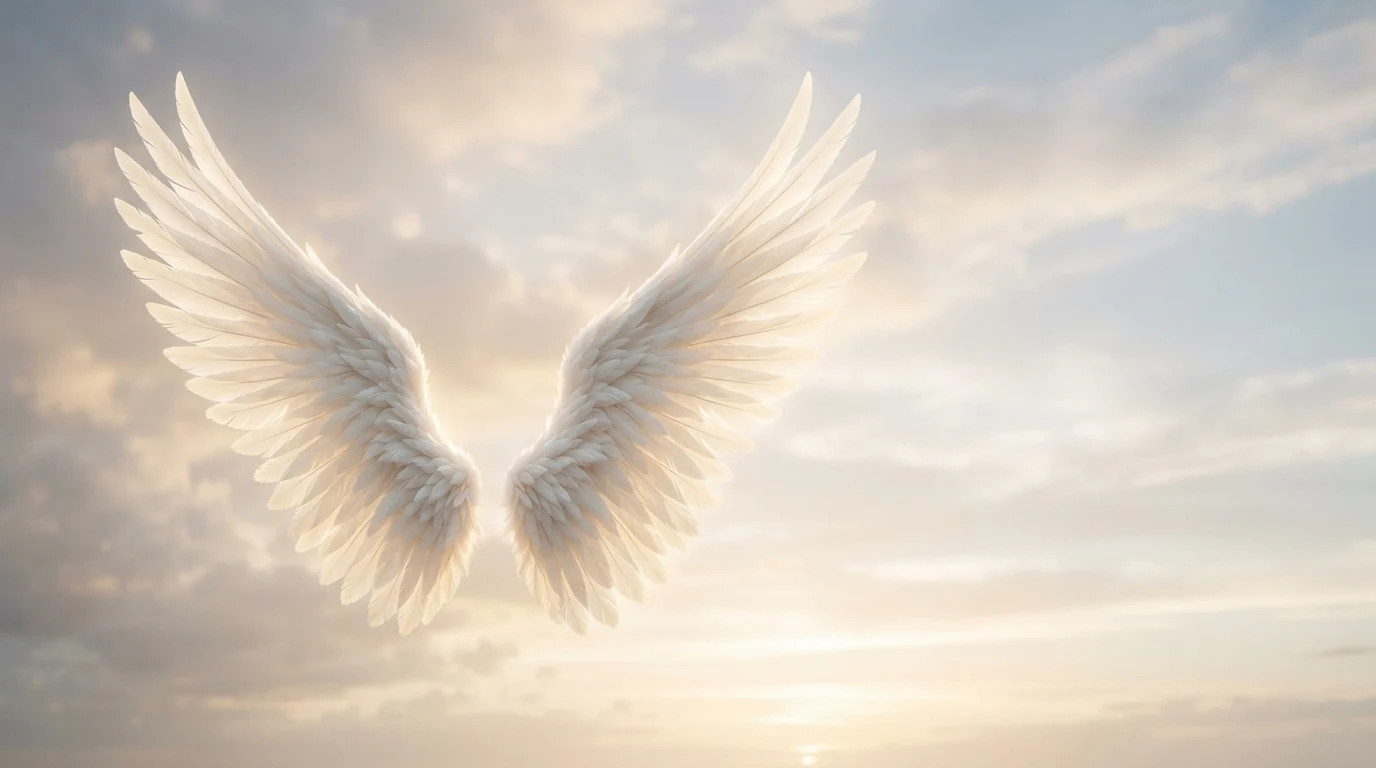
Wing symbolism has fascinated people for centuries because wings naturally suggest movement, freedom, protection, and transformation. From birds soaring across the sky to angelic wings in religious art, wings often represent the desire to rise above limitations and see life from a higher perspective.
Across cultures, wings can symbolize freedom, spiritual growth, protection, ambition, transcendence, hope, and the journey toward something greater. Their meaning can change depending on the type of wing, its color, cultural setting, and the situation in which it appears.
Wing Symbolism Meaning (Clear Definition)
Wing symbolism refers to the symbolic meanings associated with wings, especially their connection to flight, freedom, spirituality, protection, and transformation.
At its simplest, a wing represents the ability to rise, move forward, escape limitations, or reach a higher state of awareness. Because wings allow birds to leave the ground, they are often associated with aspirations and the human desire to go beyond ordinary boundaries.
Wings may symbolize:
- Freedom and independence
- Spiritual elevation
- Protection and guidance
- Hope and inspiration
- Personal transformation
- Ambition and achievement
- Escape from limitations
- Connection between earth and heaven
The meaning depends heavily on context. A pair of angel wings may suggest divine protection, while bird wings may represent freedom or adventure.
What Does Wing Symbolism Represent?
Wing symbolism represents the idea of rising above physical, emotional, or spiritual limitations.
Wings are closely connected with movement. They make flight possible, so they naturally become symbols of progress, exploration, and independence. Seeing wings in art, dreams, jewelry, tattoos, or literature can therefore suggest a desire for change or a new direction in life.
| Symbolic Meaning | What Wings Can Represent |
|---|---|
| Freedom | Breaking away from restrictions |
| Protection | Safety, guardianship, and care |
| Spirituality | Connection with the divine or higher consciousness |
| Transformation | Moving from one stage of life to another |
| Hope | Believing that better possibilities exist |
| Ambition | Reaching toward important goals |
| Escape | Leaving behind difficulties or limitations |
| Guidance | Receiving direction or support |
Wings as a Symbol of Freedom
Perhaps the most recognizable meaning of wings is freedom. A bird can rise above roads, walls, mountains, and other physical barriers, making wings a powerful image of independence.
This symbolism can apply emotionally as well. Wings may represent becoming free from fear, unhealthy patterns, limiting beliefs, or circumstances that have held someone back.
Wings as a Symbol of Protection
Wings can also suggest shelter and protection. A bird spreading its wings over its young creates a natural image of care and safety.
For this reason, wing imagery is often used to express the idea of someone watching over another person, especially during difficult periods.
Wings as a Symbol of Transformation
Flight changes the relationship between a creature and the ground beneath it. Symbolically, this makes wings a fitting representation of personal transformation.
Someone who has overcome hardship may view wings as a reminder that difficult experiences do not have to define the rest of their journey.
Spiritual Meaning of Wing Symbolism
The spiritual meaning of wings is strongly connected with ascension, divine guidance, protection, freedom of the spirit, and personal awakening.
Wings often appear in spiritual imagery because they create a visual connection between the earthly world and the heavens. They suggest movement upward and the possibility of reaching something beyond ordinary physical experience.
Spiritually, wings may represent:
- Rising above challenges — developing strength and perspective during difficult times.
- Spiritual awakening — becoming more aware of oneself and one’s deeper purpose.
- Divine protection — feeling watched over or spiritually supported.
- Freedom of the soul — moving beyond fear, attachment, or limitation.
- Higher perspective — seeing circumstances from a broader point of view.
- Transformation — entering a new stage of personal or spiritual development.
Wing symbolism can therefore carry a hopeful message: growth sometimes requires leaving familiar ground.
Wings and Spiritual Growth
Flight is often used metaphorically for spiritual development. The higher a person rises, the farther they can see, which makes flight a useful symbol for expanded awareness.
In this sense, wings do not necessarily mean escaping everyday life. They can represent learning to approach everyday life with greater wisdom, patience, and perspective.
Biblical / Religious Meaning of Wing Symbolism
Wings have important symbolic associations in several religious traditions, particularly in Christianity and Judaism.
In the Bible, wings can represent God’s protection, refuge, divine presence, and spiritual imagery associated with heavenly beings. Biblical language sometimes describes people taking refuge under God’s wings, creating an image of safety and shelter.
Angelic and heavenly imagery also contributes strongly to the religious meaning of wings. In Christian art, angels are commonly portrayed with wings to communicate their heavenly nature and their role as messengers between the divine and human realms.
Wings also appear in descriptions of cherubim and seraphim in biblical texts. These beings are presented with multiple wings, emphasizing their extraordinary heavenly nature.
The broader religious symbolism can therefore include:
- Divine protection
- Refuge and safety
- Heavenly connection
- God’s presence
- Spiritual service
- Holiness
- Divine messengers
It is important to remember that winged imagery differs among religious traditions. Not every winged figure has the same meaning, and modern popular imagery sometimes combines ideas from different traditions.
Wing Symbolism in History and Culture
Wing symbolism appears throughout human history because flight has long represented something mysterious and extraordinary.
Before modern aviation, human beings could observe birds flying but could not fly themselves. This made wings an especially powerful symbol of a realm that humans could admire but could not naturally enter.
Ancient Mythology
Winged beings appear in numerous mythological traditions.
Greek mythology includes figures such as Nike, the winged personification of victory, while Hermes is traditionally associated with winged sandals. These images connect wings with speed, movement, communication, and achievement.
The Roman world also adopted and developed winged imagery, particularly in representations of victory and divine figures.
Egyptian Symbolism
Wing imagery was also significant in ancient Egyptian religious art. Winged forms could be associated with divine protection and powerful protective deities.
The outstretched wings of certain figures created an image of shelter, authority, and supernatural protection.
Winged Creatures in Myth
Mythological creatures such as griffins, winged horses, and dragons demonstrate how cultures have used wings to combine ordinary animals with extraordinary powers.
The addition of wings often changes a creature’s symbolic meaning. It can transform an earthly animal into a representation of supernatural strength, freedom, or transcendence.
Wing Symbolism in Literature and Art
Wings are among the most recognizable metaphors in literature and visual art.
Writers frequently use wings to describe freedom, imagination, ambition, love, spiritual longing, and emotional release. The phrase of having one’s wings clipped, for example, suggests losing freedom or having one’s potential restricted.
Artists use wings in similarly powerful ways.
A human figure with wings may represent the desire to transcend ordinary existence. Broken wings can suggest loss, trauma, disappointment, or unrealized potential, while open wings can communicate confidence, liberation, or protection.
Common Artistic Wing Motifs
- Open wings: freedom, confidence, readiness, and possibility
- Closed wings: rest, protection, privacy, or hidden potential
- Broken wings: hardship, loss, vulnerability, or restricted freedom
- White wings: purity, peace, innocence, and spirituality
- Black wings: mystery, independence, grief, rebellion, or transformation
- Golden wings: achievement, divine qualities, glory, or enlightenment
- Small wings: emerging potential or early transformation
- Large wings: power, protection, ambition, or spiritual significance
The meaning of any artistic image ultimately depends on the surrounding symbols and the artist’s intention.
Dream Meaning of Wing Symbolism
Dreams involving wings can have many interpretations, but they commonly relate to freedom, personal growth, ambition, escape, and emotional or spiritual transformation.
Dream symbolism is highly personal, so there is no single interpretation that applies to everyone. Your emotions during the dream are often just as important as the wings themselves.
Dreaming of Flying With Wings
Flying with wings may represent freedom, confidence, or a desire to overcome obstacles. It can also reflect a feeling that you are finally making progress after being restricted.
Dreaming of Broken Wings
Broken wings may symbolize vulnerability, disappointment, exhaustion, or a feeling that something is preventing you from moving forward.
Such a dream does not necessarily predict something negative. It may instead reflect an internal struggle or the need to recover before pursuing a new goal.
Dreaming of Angel Wings
Angel wings can symbolize protection, comfort, spiritual guidance, or the feeling that someone or something is watching over you.
For some people, they may also represent memories of a loved one or a desire for reassurance during a difficult period.
Dreaming of Black Wings
Black wings may represent mystery, independence, hidden emotions, grief, or personal transformation. Their meaning depends strongly on if the dream felt frightening, peaceful, empowering, or mysterious.
Dreaming of White Wings
White wings are often associated with peace, purity, hope, innocence, and spiritual reassurance. A peaceful dream involving white wings may reflect a desire for emotional balance or a sense of renewal.
Modern Meaning of Wing Symbolism
In modern culture, wings remain powerful symbols of individuality, freedom, resilience, and self expression.
Wing imagery is common in tattoos, jewelry, fashion, logos, memorial artwork, motivational designs, and social media imagery. People may choose wings to represent overcoming adversity, remembering someone important, pursuing a dream, or beginning a new chapter.
Wing Tattoos
Wing tattoos can carry deeply personal meanings. Some people use them to represent freedom or independence, while others associate them with spirituality, protection, remembrance, or overcoming a difficult period.
A pair of wings may symbolize balance or duality, while a single wing can represent individuality, incompleteness, or a personal journey.
Wings as a Symbol of Resilience
Modern interpretations increasingly connect wings with resilience. The message is not simply that life should be easy, but that a person can develop the strength to rise after falling.
This makes wing symbolism particularly meaningful during periods of change. Wings can remind someone that limitations are not always permanent.
What Do Different Types of Wings Symbolize?
Different wing forms can communicate different ideas.
- Bird wings: freedom, nature, exploration, and independence
- Angel wings: protection, spirituality, guidance, and divine connection
- Butterfly wings: transformation, renewal, beauty, and rebirth
- Eagle wings: strength, vision, leadership, and freedom
- Dragon wings: power, mystery, courage, and imagination
- Broken wings: struggle, loss, vulnerability, or restricted potential
- White wings: peace, purity, hope, and innocence
- Black wings: mystery, independence, grief, or transformation
The same wing can have different meanings depending on the surrounding imagery and cultural context.
Why Are Wings Such a Powerful Symbol?
Wings are powerful symbols because they combine several universal human ideas: movement, freedom, aspiration, and transcendence.
Humans cannot naturally fly, yet we have always looked upward and imagined what it would mean to leave the ground. Wings therefore represent not only physical flight but also the possibility of becoming more than we are today.
They can symbolize the courage to change, the strength to recover, and the hope of reaching a destination that once seemed impossible.
Frequently Asked Questions About Wing Symbolism
What is the main meaning of wing symbolism?
The main meaning of wing symbolism is freedom, often combined with spiritual growth, protection, transformation, and the desire to rise above limitations.
What do wings symbolize spiritually?
Spiritually, wings can symbolize divine protection, spiritual awakening, higher awareness, freedom of the soul, and movement toward a deeper sense of purpose.
What do angel wings symbolize?
Angel wings commonly symbolize protection, guidance, spirituality, divine connection, and comfort. Their exact meaning can vary according to religious and cultural context.
What do broken wings symbolize?
Broken wings often symbolize loss, vulnerability, disappointment, restricted freedom, or a difficult period of personal growth. They can also represent resilience and recovery after hardship.
What does it mean to dream about wings?
Dreaming about wings can symbolize freedom, ambition, transformation, escape, or a desire to overcome limitations. The emotional feeling and specific details of the dream can greatly influence its interpretation.
Conclusion
Wing symbolism ultimately speaks to one of humanity’s oldest dreams: the desire to rise above limitations and experience greater freedom. If wings represent protection, spirituality, ambition, transformation, or hope, their message is often one of movement and possibility.
Wings remind us that growth can require courage, and sometimes the journey forward begins when we are willing to leave familiar ground behind.

Hi, I’m Kingston Fox, the administrator of Symbolop. I manage our platform and enjoy exploring symbols, their meanings, and cultural significance while ensuring readers have a reliable, engaging experience.